
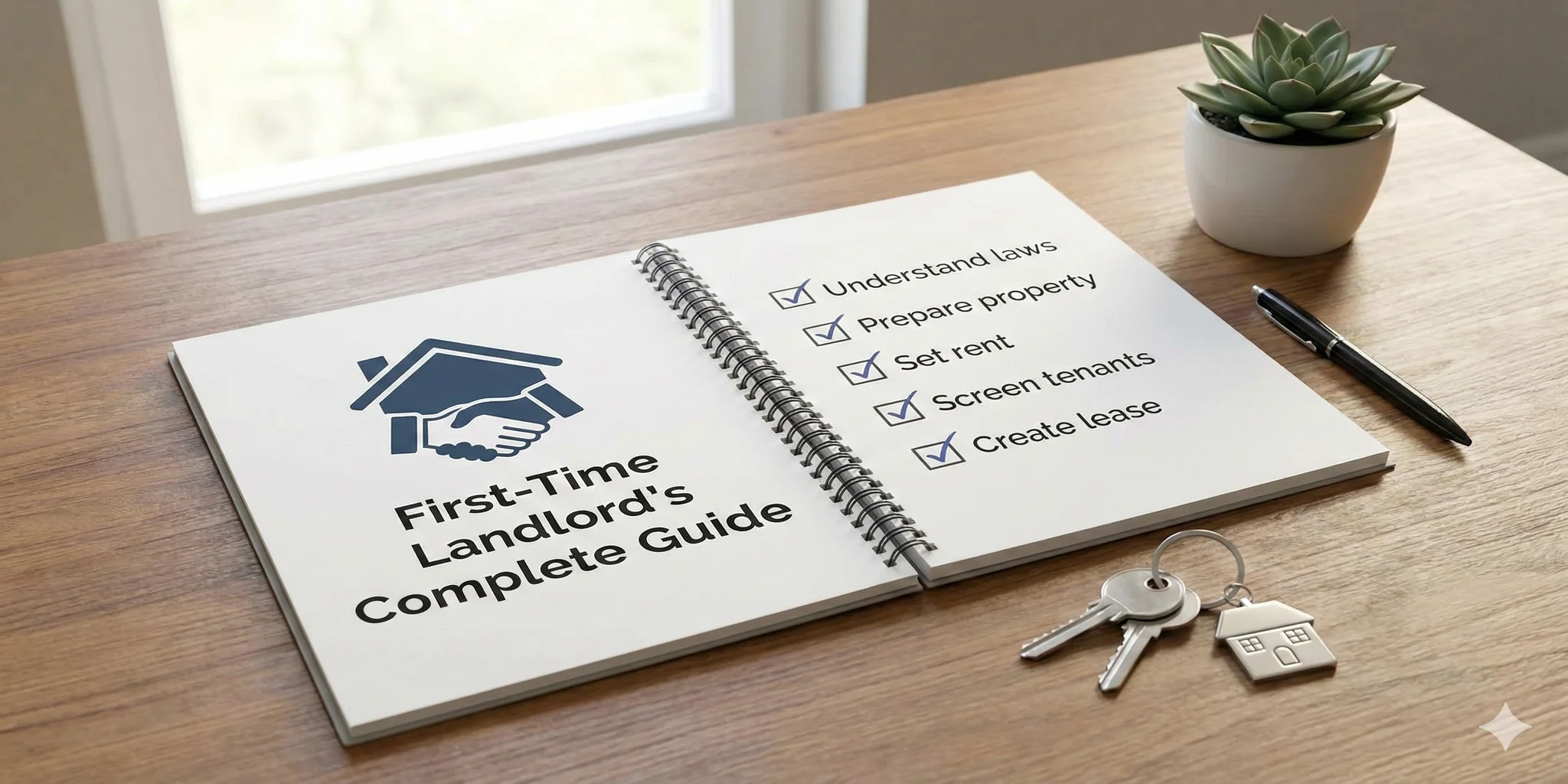
Becoming a landlord for the first time is an exciting venture that can provide steady income and long-term wealth building. However, it also comes with significant responsibilities, legal obligations, and potential challenges that can overwhelm newcomers. This comprehensive guide will walk you through everything you need to know to successfully rent out your property and build a thriving rental business.
Key Takeaways
- Know the Law: Compliance with Fair Housing and local regulations is non-negotiable.
- Screen Rigorously: A good tenant is worth their weight in gold.
- Treat it as a Business: Separate finances and maintain professional boundaries.
- Use Technology: Automate rent collection and maintenance to save time.
1. Understanding Your Legal Obligations
Before renting out your property, familiarize yourself with federal, state, and local landlord-tenant laws. Ignorance of the law is not a defense.
Legal Checklist
-
 Fair Housing Act: Never discriminate based on race,
color, religion, sex, disability, familial status, or national origin.
Fair Housing Act: Never discriminate based on race,
color, religion, sex, disability, familial status, or national origin.
-
Habitability: Ensure the property meets all safety
and health codes (heat, water, structural integrity).
-
Security Deposits: Know your state's limits on
amounts and deadlines for returning deposits.
-
Disclosures: Provide required disclosures like
lead-based paint for older homes.
2. Preparing Your Property for Rent
First impressions matter. A well-maintained property attracts better tenants and commands higher rent.
- Complete all necessary repairs and maintenance
- Deep clean every room, including carpets and windows
- Apply fresh paint in neutral colors
- Ensure all appliances are working properly
- Install smoke detectors and carbon monoxide alarms
- Address any safety hazards or code violations
3. Setting the Right Rental Price
Research comparable properties in your area to determine competitive rental rates. Consider factors like location, amenities, property condition, and market demand.
Pro Tip: Don't just guess. Look at listings on Zillow, Craigslist, and Rentrovio to see what similar properties are renting for in your neighborhood.
4. Creating a Comprehensive Lease Agreement
A well-drafted lease protects both you and your tenant. It should clearly outline expectations and rules.
Must-Haves
- Rent amount & due date
- Lease term (start/end dates)
- Security deposit details
- Names of all occupants
Crucial Policies
- Pet policy & fees
- Smoking rules
- Maintenance responsibilities
- Entry notice requirements
5. Screening Tenants Effectively
Thorough tenant screening is your best defense against problem tenants. Develop a consistent screening process that complies with fair housing laws.
- Verify income (typically 3x monthly rent)
- Run credit checks to assess financial responsibility
- Check criminal background within legal limits
- Contact previous landlords for references
- Verify employment and rental history
6. Managing Finances and Taxes
Treat your rental as a business. Keep detailed records of all income and expenses.
- Separate Accounts: Open a dedicated bank account for rental transactions.
- Track Expenses: Save receipts for repairs, maintenance, and improvements.
- Know Deductions: Mortgage interest, property taxes, insurance, and depreciation are often deductible.
- Emergency Fund: Set aside money for unexpected repairs and vacancies.
Rentrovio Insight: Simplify Management
Managing a property involves a lot of moving parts. Rentrovio brings it all together. From listing your property and screening tenants to collecting rent online and tracking maintenance requests, our platform automates the busy work so you can focus on growing your investment.
Common First-Time Landlord Mistakes
-
 Skipping Screening: Never rush to fill a vacancy with an unvetted
tenant.
Skipping Screening: Never rush to fill a vacancy with an unvetted
tenant.
-
Underinsuring: Ensure you have a landlord insurance policy, not just
homeowner's insurance.
-
Ignoring Maintenance: Small leaks become big floods. Address repairs
promptly.
-
Being Too Friendly: Be friendly but professional. Enforce the lease terms
consistently.
By implementing these strategies and leveraging modern property management tools like Rentrovio, you can streamline operations, reduce risks, and maximize the success of your rental property business. Our platform helps landlords manage every aspect of their properties efficiently, from tenant screening to rent collection and maintenance tracking.
Related Articles

 Free Tools for Landlords


Looking for a rent management solution?
Rentrovio automates rent collection, lease management, and maintenance for Indian landlords.
→ See the best landlord app in India Back to Blog