
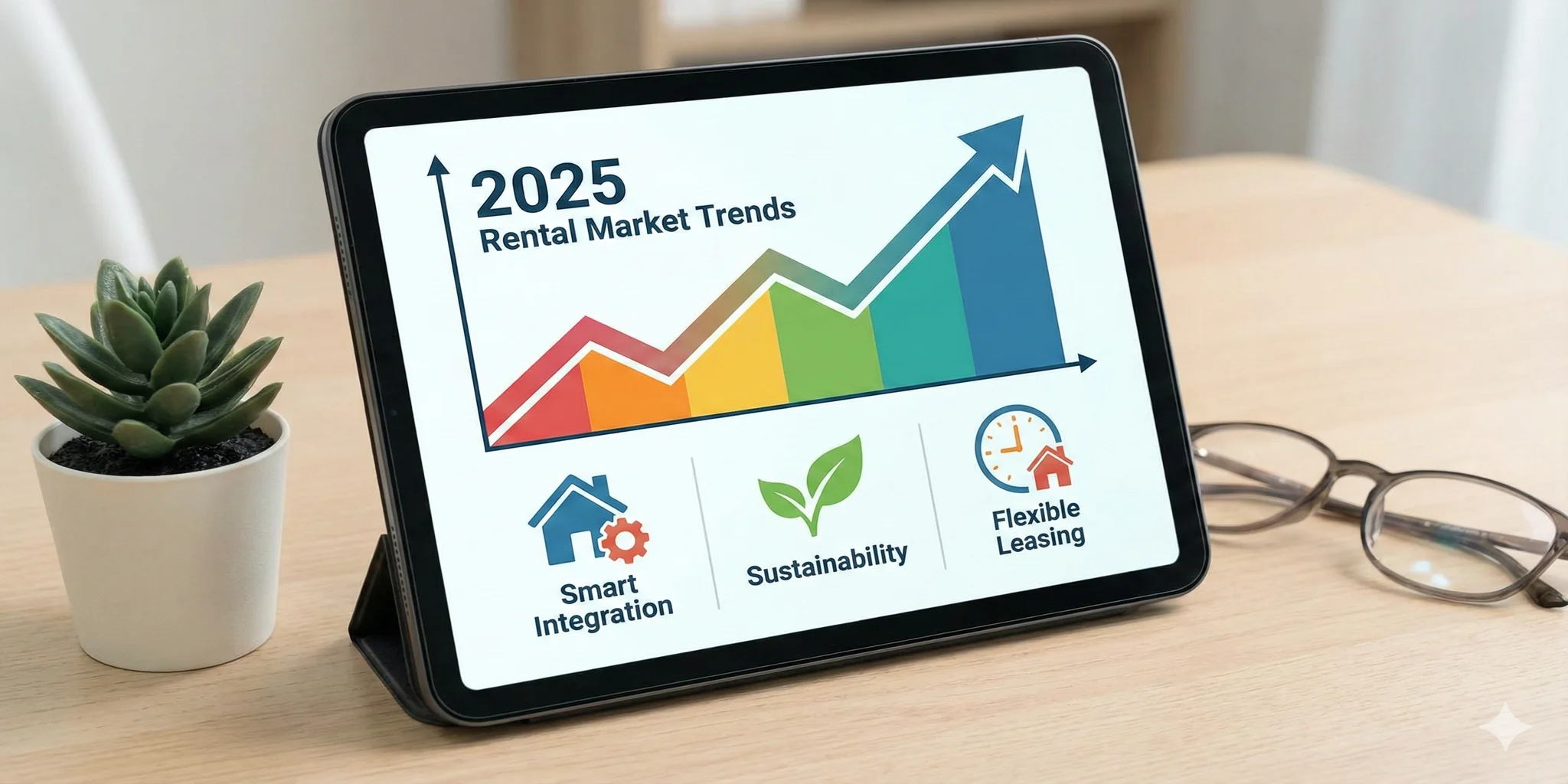
Key Takeaways
- Co-living is exploding: 25% YoY growth in India, with Bangalore, Gurgaon, and Pune leading. Yields of 5-7% vs 2-4% for traditional leases.
- Tier-2 cities rising: Indore, Jaipur, Ahmedabad offer the best rental yields (4-5%) as remote work enables geographic flexibility.
- NRI investment surging: 15% growth in 2025, driven by digital property management tools that simplify remote ownership.
- PropTech is mainstream: 60% of landlords now use digital tools for rent collection, maintenance, and tenant communication.
- Co-working demand: Renters prioritize properties with dedicated workspace; fiber internet is now a baseline requirement.
The Indian rental market in 2026 is undergoing a fundamental transformation. Co-living spaces are reshaping urban housing, tier-2 cities are emerging as investment hotspots, and technology is making property management more efficient than ever. For landlords and investors, understanding these shifts is the key to maximizing returns.
1. The Co-Living Boom in India
Co-living has emerged as the fastest-growing segment in Indian rental housing, expanding at 25% year-on-year. Driven by young professionals, students, and gig workers, co-living operators now manage over 200,000 beds across major Indian cities:
| City | Avg. Co-Living Rent (per bed) | Rental Yield |
|---|---|---|
| Bangalore (Whitefield, Electronic City) | ₹12,000-18,000/month | 5-7% |
| Gurgaon (Cyber City, Golf Course Road) | ₹15,000-25,000/month | 4-6% |
| Hyderabad (HITEC City, Gachibowli) | ₹10,000-16,000/month | 5-7% |
| Pune (Hinjewadi, Kharadi) | ₹10,000-14,000/month | 4-6% |
For landlords, converting traditional rentals to co-living can increase per-square-foot yield by 40-60%. However, it requires professional management — which is where platforms like Rentrovio's landlord management app provide tenant screening, rent collection, and maintenance tracking at scale.
2. Tier-2 Cities: The New Investment Frontier
Remote and hybrid work models have unlocked geographic flexibility. Tier-2 cities are seeing unprecedented rental demand from professionals who have moved back from metros. Rental yields in these cities now outperform metros:
- Indore: 4-5% rental yield, driven by IT corridor growth and affordable property prices.
- Jaipur: 3.5-4.5% yield, boosted by tourism-related rentals and new business parks.
- Ahmedabad: 3.5-4% yield, strong demand from the manufacturing and pharma sectors.
- Lucknow: 3-4% yield, emerging as a regional hub for government and private offices.
- Coimbatore: 3-4% yield, growing IT and engineering sector driving rental demand.
3. NRI Investment in Indian Rental Properties
NRI investment in Indian real estate grew 15% in 2025, with 2026 projected to see even higher growth. Key trends:
- Top source countries: UAE (28%), USA (22%), UK (15%), Canada (10%), Australia (8%).
- Preferred cities: Bangalore (30%), Mumbai (22%), Delhi NCR (18%), Hyderabad (15%), Pune (10%).
- Key driver: Digital property management tools like Rentrovio enable NRIs to manage tenants, collect rent, and track maintenance remotely — eliminating the need for a local manager.
- Tax advantage: Rental income is taxed at applicable slab rates, but NRIs can claim the standard 30% deduction and home loan interest deduction under Section 24.
🌏 Rentrovio Insight: NRI-Friendly Management
Rentrovio's platform is built for remote landlords. NRIs can onboard tenants, collect rent online via UPI or NEFT, receive automated TDS-compliant receipts, and track maintenance requests — all from their phone, anywhere in the world. Our Caretaker module lets you assign on-ground tasks to a trusted person while you monitor everything in real time.
4. PropTech Adoption: From Nice-to-Have to Must-Have
The Indian PropTech market is projected to reach $6 billion by 2027. In 2026, the key technologies reshaping rental management include:
- Digital Rent Collection: UPI AutoPay and NEFT mandates have replaced cash and cheques for 60% of urban rental transactions.
- Smart Access: Smart locks and keyless entry systems are being adopted by 25% of new rental properties in metro cities.
- AI-Powered Screening: Tenant background verification using AI algorithms reduces screening time from days to minutes.
- Automated Accounting: Rental income tracking, expense categorization, and tax report generation are now built into platforms like Rentrovio.
5. The Work-From-Home Effect on Rental Demand
With 30% of India's workforce still operating in hybrid or fully remote models, the demand for home-office-ready rentals has surged. Tenants now prioritize:
- Dedicated workspace: Properties with an extra room or a dedicated study area command 10-15% higher rent.
- High-speed internet: Fiber optic connectivity is now a baseline requirement, not a luxury.
- Quiet neighborhoods: Renters are willing to pay a premium for properties away from main roads and commercial zones.
- Co-working access: Proximity to co-working spaces like WeWork, Awfis, and Innov8 is a top consideration for young professionals.
Preparing for the Future: Action Steps for Landlords
The rental market of 2026 rewards landlords who adapt. Here is your action plan:
- Evaluate co-living conversion — if your property is in a tech corridor, consider co-living for higher per-square-foot yields.
- Go digital — switch to digital rent collection and agreement management. Tenants expect it.
- Target NRIs — market your property to NRI investors who need professional management.
- Upgrade for WFH — add fiber internet, a dedicated workspace nook, and soundproofing to justify higher rent.
- Track your metrics — use a platform like Rentrovio to track rental yield, vacancy rates, and maintenance costs across your portfolio.
Frequently Asked Questions
What are the top rental market trends in India for 2026?
The top trends include: rapid growth of co-living spaces, increasing NRI investment, widespread PropTech adoption, rising demand for co-working amenities, and higher rental yields in tier-2 cities like Indore and Jaipur.
Which Indian cities offer the best rental yields in 2026?
Tier-2 cities lead: Indore (4-5%), Jaipur (3.5-4.5%), Ahmedabad (3.5-4%). Among metros, Bangalore and Hyderabad offer 3-4%, while Mumbai and Delhi offer 2-3%. Co-living in tech corridors yields 5-7%.
How is co-living changing the rental market in India?
Co-living has grown 25% YoY, driven by young professionals in Bangalore, Gurgaon, Pune, and Hyderabad. It offers 40-60% higher per-square-foot yields than traditional leases.
Is NRI investment in Indian rental properties increasing?
Yes. NRI investment grew 15% in 2025, projected to grow further in 2026. NRIs from UAE, USA, UK, Canada, and Australia are the top investors, driven by digital property management tools.
How is technology changing property management in India?
PropTech adoption has accelerated. 60% of landlords now use digital tools for rent collection, maintenance, and communication. AI screening, digital agreements with e-stamping, and automated accounting are becoming standard.
Conclusion
The Indian rental market in 2026 is a story of rapid evolution. Co-living, tier-2 city growth, NRI investment, and technology adoption are creating unprecedented opportunities for landlords who are willing to adapt. The key is to embrace digital tools, understand your target tenant demographics, and optimize your property for the specific demands of your market.
Ready to modernize your rental management? Try Rentrovio's landlord platform — designed for Indian landlords who want to manage properties smarter, not harder.

 Back to Blog