
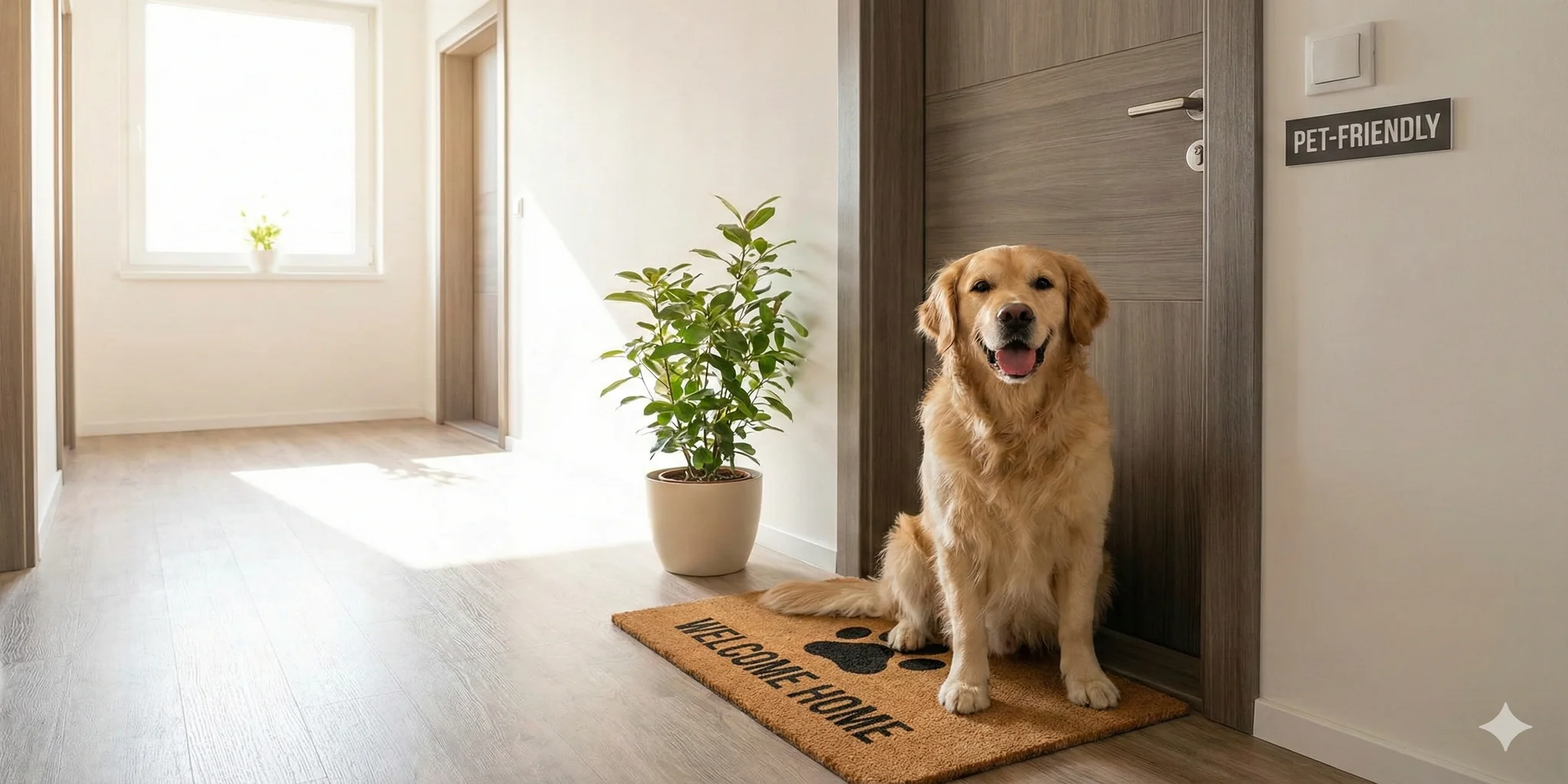
Pet owners represent a significant and often underserved segment of the rental market. By welcoming pets strategically, landlords can access a larger tenant pool, command higher rents, and improve tenant retention—all while protecting their property investment. This guide shows you how to profit from pet-friendly rentals while minimizing risks.
Key Takeaways
- Huge Market: 67% of households own pets. Being pet-friendly instantly doubles your applicant pool.
- More Money: Pet rent and non-refundable fees can add $500-$1,000+ to your annual revenue per unit.
- Screening is Key: Don't just say "yes." Require pet resumes, vet records, and meet-and-greets.
- Protect Your Asset: Use pet-proof flooring and require renter's insurance with pet liability coverage.
Why You Should Allow Pets
Many landlords fear damage, but the data tells a different story. Pet owners are often more stable, responsible tenants who stay longer because it's hard to find pet-friendly housing.
21%
Lower vacancy rates for pet-friendly units
46 Months
Average tenancy length (vs. 18 months for non-pet owners)
+$50
Average monthly pet rent premium
Pet Policy Checklist
A vague policy is a recipe for disaster. Use this checklist to build a rock-solid pet addendum.
| Policy Element | Recommendation | Why? |
|---|---|---|
| Pet Limit | Max 2 pets per unit | Prevents hoarding and excessive noise/odors. |
| Weight/Breed | Focus on behavior, not breed. | Breed bans are outdated. A 10lb terrier can do more damage than a 60lb lab. |
| Vaccinations | Require proof of rabies & distemper. | Protects other residents and limits liability. |
| Spay/Neuter | Mandatory for cats and dogs. | Reduces marking, aggression, and unwanted litters. |
Financial Strategy: Fees vs. Deposits
Know the difference and check your local laws.
Pet Rent (Monthly)
- Purpose: Profit & wear-and-tear coverage.
- Amount: $25-$75/month per pet.
- Pros: Ongoing revenue stream.
Pet Fee (One-Time)
- Purpose: Deep cleaning upon move-out.
- Amount: $250-$500 (Non-refundable).
- Pros: Upfront cash for carpet cleaning.
Screening the Pet (Not Just the Owner)
Treat the pet like a tenant. Ask for a "Pet Resume" that includes:
- Photo: Verify the animal matches the description.
- Vet Records: Proof of shots and flea prevention.
- References: Call previous landlords specifically to ask about pet damage or noise.
- Training Certificates: Bonus points for "Canine Good Citizen" awards.
Rentrovio Insight: Document Everything
Disputes over pet damage are common. Rentrovio's inspection tool allows you to upload photos of floors, doors, and baseboards specifically for pet condition reports. We also store pet vaccination records and automate reminders when shots are due, keeping your community safe and compliant without the manual tracking.
Conclusion
Allowing pets isn't just "nice"—it's a smart business move. With the right policies, screening, and financial structure, you can turn your property into a highly desirable home for responsible pet owners while boosting your bottom line.

 Back to Blog